
Roots of Wilson
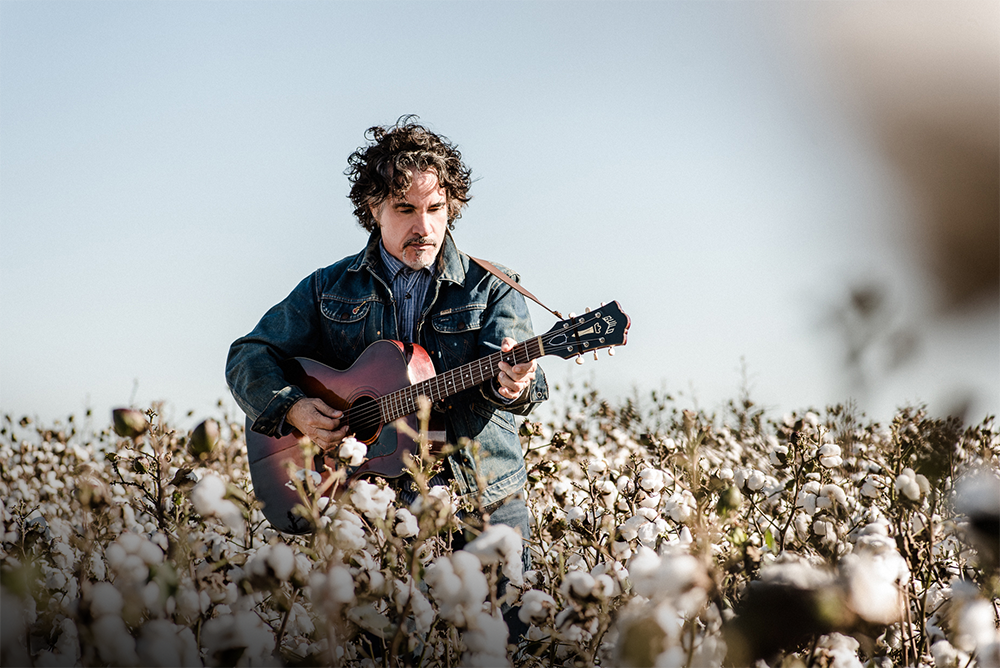
Where the cotton fields found their sound
Some places have a history you can read about.
Others have a history you can feel.
In Wilson, that history lives in the cotton fields, along Highway 61, beside the Mississippi River—and in the music that has traveled through the Delta for generations.
In 2017, John Oates of Hall & Oates came to Wilson to play a set. After the show, he stepped outside and looked across the fields surrounding the village. The Mississippi River was nearby. Highway 61 stretched through the landscape.
Something about it stayed with him.
Oates later described the experience as helping crystallize a musical journey that begins in New Orleans and travels north along the Mississippi River, through the Delta, with Wilson and Northeast Arkansas serving as one of the last rural stops along the way.
That experience became music.
Oates returned to Nashville and wrote and recorded an original song inspired by what he had seen. The song became the title track of his 2018 album, Arkansas.
Then he came back to Wilson.
A film crew followed, and the music video for “Arkansas” was filmed here among the cotton fields and streets of the village.
But the story of music in this corner of the Delta doesn't begin with John Oates.
It was here long before him.
Just a short drive from Wilson, Johnny Cash grew up in Dyess, where the rhythms of life in the Delta would become part of the foundation of his music. Further south in Osceola, Albert King formed his first band, beginning the journey of one of the most influential blues guitarists of all time.
And just beyond them, Memphis and the Mississippi River continue the musical story.
These places are connected by more than a highway.
They're connected by the land.
By the river.
By cotton.
By generations of people who turned the sounds and stories of the Delta into something the world would eventually hear.
This is one of the things that makes Wilson special.
The legends aren't simply part of the history here.
The landscape itself helped create the legends.
At The Louis, we're surrounded by those stories. They're part of the character of this place—the reason Wilson feels different from anywhere else.
So take a drive down Highway 61.
Walk toward the fields as the sun begins to set.
And listen.
Because sometimes, the best stories aren't found in a history book.
They're still playing in the distance.